solar battery chemistry
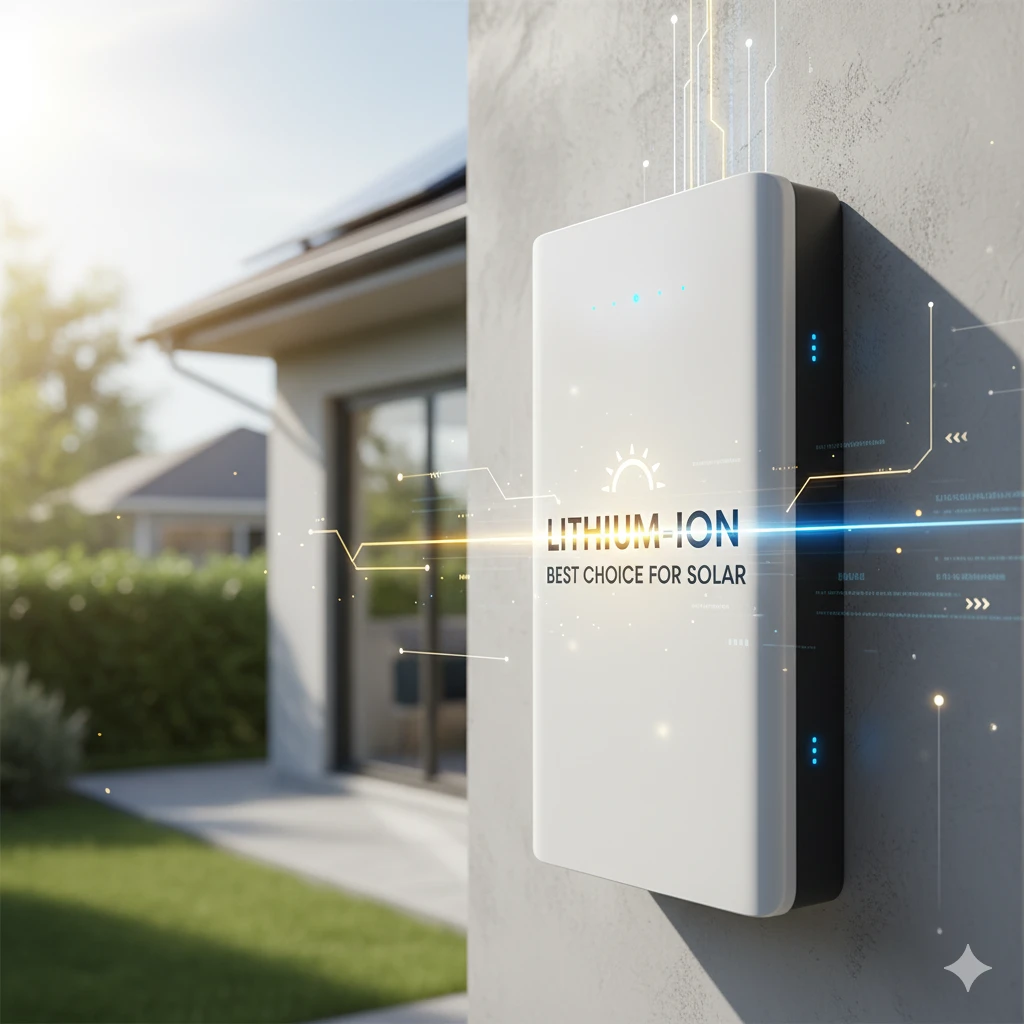
lithium-ion solar
lead acid solar
LiFePO4
depth of discharge
Battery Chemistry Comparison: Lithium-Ion vs. Lead-Acid for Solar Storage
2025-10-24T00:00:00.000Z
🔋 Storing the Sun: Which Battery Type is Best for Your Application?
While Lithium-ion has become the residential standard, lead-acid batteries still have a place in certain specialized solar applications.
1. Lithium-Ion (The Residential & Off-Grid Standard)
Includes popular chemistries like Lithium Iron Phosphate (LiFePO4) and Lithium Nickel Manganese Cobalt (NMC).
- ✅ **Depth of Discharge (DoD):** Excellent (80-100%). You can use almost all the stored energy without damaging the battery.
- ✅ **Cycle Life:** Superior (6,000 - 15,000 cycles), leading to a 10-20 year lifespan.
- **Maintenance:** None (zero maintenance).
- **Cost:** Highest upfront cost, but lowest cost per kWh over the lifespan.
2. Lead-Acid (AGM/Gel)
Older, proven technology often used for small cabins or temporary power.
- ❌ **Depth of Discharge (DoD):** Poor (only 30-50% recommended). Using more drastically reduces lifespan.
- ❌ **Cycle Life:** Low (500 - 1,500 cycles), leading to a 3-5 year lifespan.
- **Maintenance:** Vented (flooded) lead-acid requires occasional watering; sealed (AGM/Gel) do not.
- **Cost:** Lowest upfront cost, but highest cost per kWh over the lifespan.
Safety and Fire Risk
Modern lithium batteries (especially LiFePO4) include highly advanced Battery Management Systems (BMS) that actively monitor temperature, voltage, and current to prevent thermal runaway, making them exceptionally safe for residential use. 💡