solar inverter
micro-inverter
string inverter
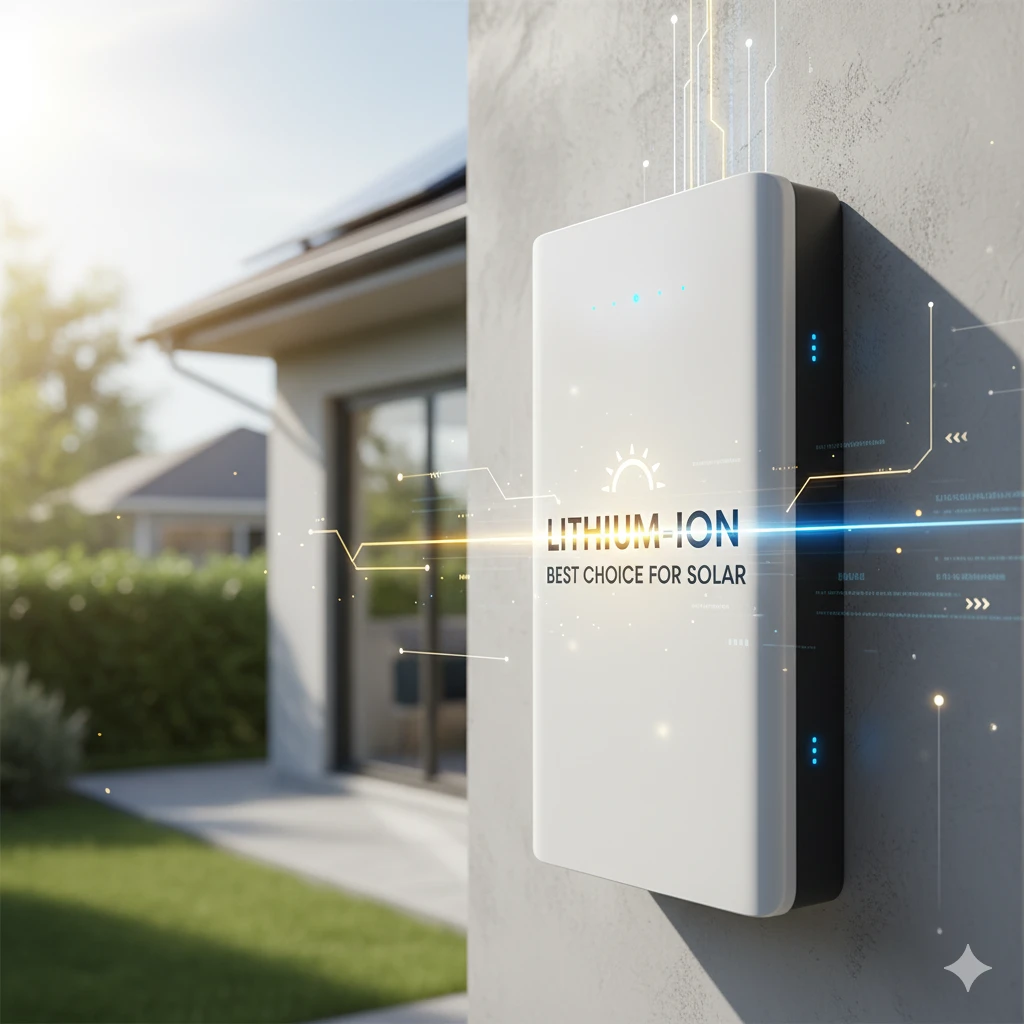
hybrid inverter
DC to AC
Solar Inverters: String, Micro, and Hybrid Systems Compared
2025-10-24T00:00:00.000Z
🔌 The Brain of the System: Converting DC to Usable AC Power
The inverter is the most important component after the panels, converting the DC electricity generated by the panels into the AC power used in your home and by the utility grid.
1. Central (String) Inverters
The traditional, large unit usually mounted on the side of the house.
- ✅ **Pros:** Lowest cost per watt. Simple design with fewer overall components. Easy to access and maintain.
- ❌ **Cons:** Susceptible to the **Christmas Light Effect**—if one panel is shaded or underperforming, it drags down the output of the entire string of panels.
2. Micro-Inverters (MLPE)
Small inverters mounted directly under each solar panel.
- ✅ **Pros:** Maximize output per panel (Mitigate shading effects). Higher safety (DC is converted to AC right on the roof). Individual panel monitoring.
- ❌ **Cons:** Highest upfront cost. More components on the roof (harder to service).
Hybrid Inverters and Batteries
A **Hybrid Inverter** combines the functions of a solar inverter and a battery inverter into one unit. It can manage both solar charging and battery discharge, making it an essential component for any home looking to add battery storage. 💡