Use more of your own solar
Run daytime loads directly and store available surplus for later use.

SOLAR + STORAGE / HOMES & BUSINESSES
Keep essential power flowing, even when the grid goes down.
CM Solar designs and installs hybrid solar systems that bring solar panels, a hybrid inverter and a lithium battery stack together. Use daytime solar directly, store surplus energy and run selected backup loads after sunset or during a power cut.
Bharuch · Ankleshwar · Dahej · Gujarat
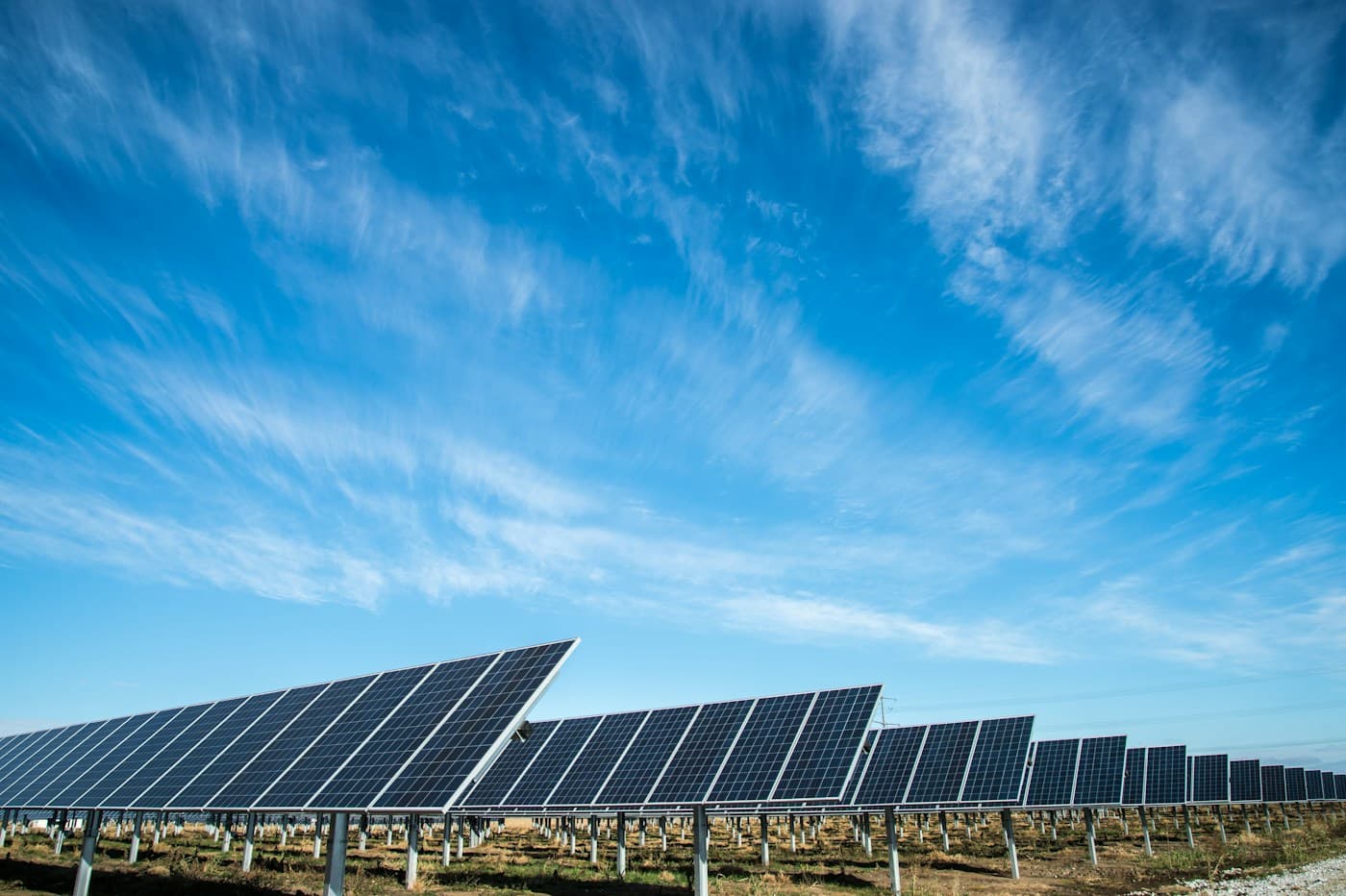
Solar generation and your electricity use do not always happen at the same time. A battery lets you keep some daytime energy for the evening and maintain essential power during outages.
Run daytime loads directly and store available surplus for later use.
Support selected lights, fans, internet and appliances when the utility fails, within the system limits.
Choose inverter output and battery energy separately, with compatible expansion options where supported.
Unlike a standard on-grid solar installation, a correctly configured hybrid system has a battery and a dedicated backup output. It can isolate from the utility grid during an outage and supply the circuits included in your backup design.
Solar supplies your loads. Surplus generation can charge the battery; export is possible only where the selected system and utility approvals allow it.
The lithium battery supplies selected loads according to your settings. A reserved battery level can be kept for unexpected outages.
The inverter isolates the backup circuits from the grid and uses available solar and battery energy. Runtime depends on sunlight, charge level and connected load.
CM Solar works with Deye, V-TAC and PVblink options. We choose the equipment around compatibility, application requirements, technical documentation and local support—not the brand name alone.
Hybrid inverter families include the three-phase SUN-5/6/8/10/12K-SG04LP3-EU low-voltage range. Separately, BOS-G offers high-voltage LiFePO4 rack storage using 5.12 kWh modules. These are different voltage architectures, not a recommended inverter-battery pair. We select a compatible regional configuration.
Manufacturer informationA storage portfolio covering low- and high-voltage batteries and integrated energy-storage formats. The appropriate rack or cabinet depends on project scale and site conditions.
Manufacturer informationPVblink publishes BESS information, inverter connection diagrams and product documentation for selecting and understanding a system.
Manufacturer informationExplore manufacturer product families without pricing. These are assessment options, not a claim of current stock or a pre-approved inverter–battery combination. Exact models, certificates, local warranty and compatibility are confirmed in your proposal.
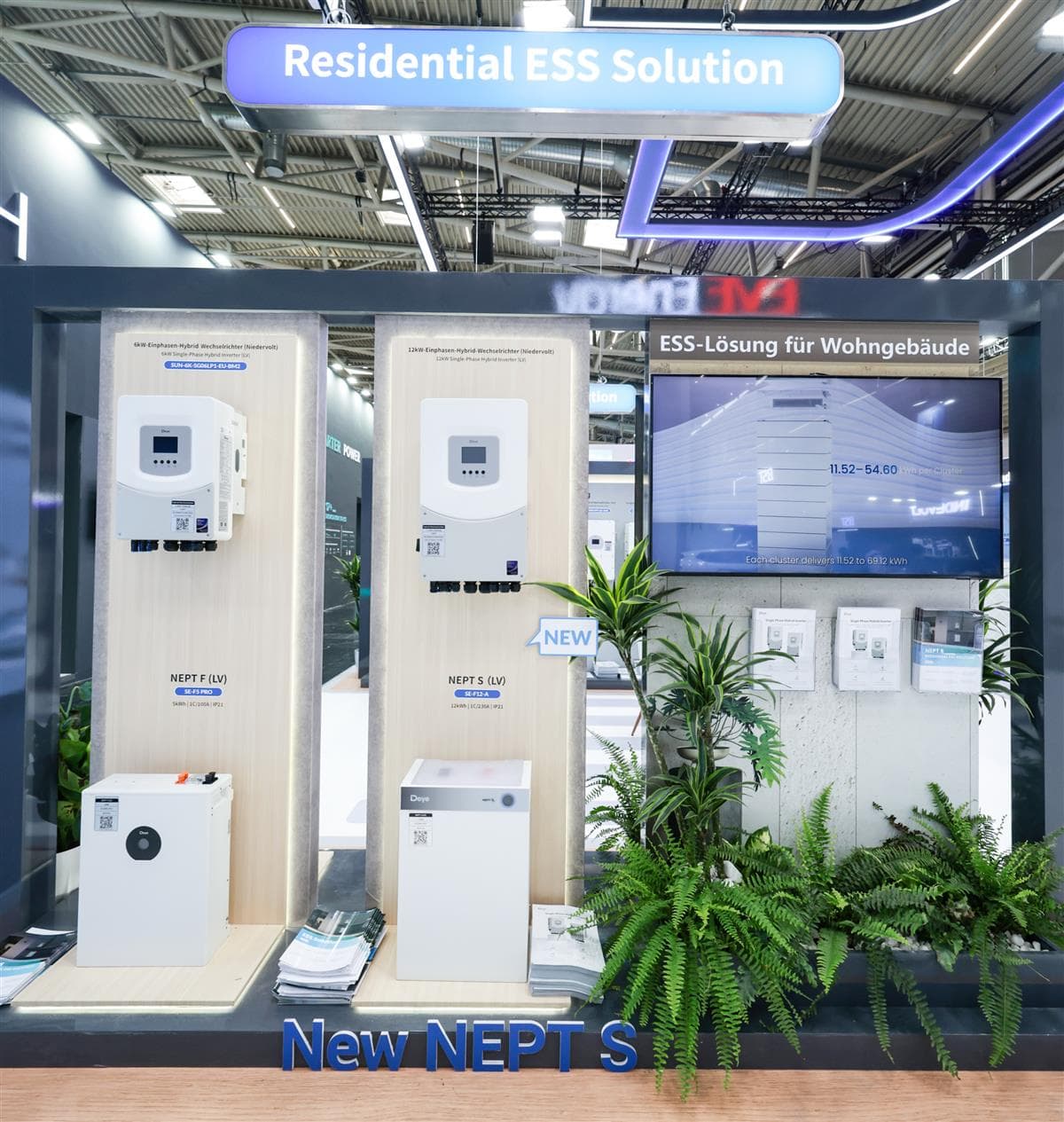
Deye
SUN-5/6/8/10/12K-SG04LP3 family: three-phase hybrid inverter options for coordinating solar, grid and compatible low-voltage battery storage. The regional model and approved battery list are checked before selection.
5–12 kW family | Three phase | Low-voltage battery architecture
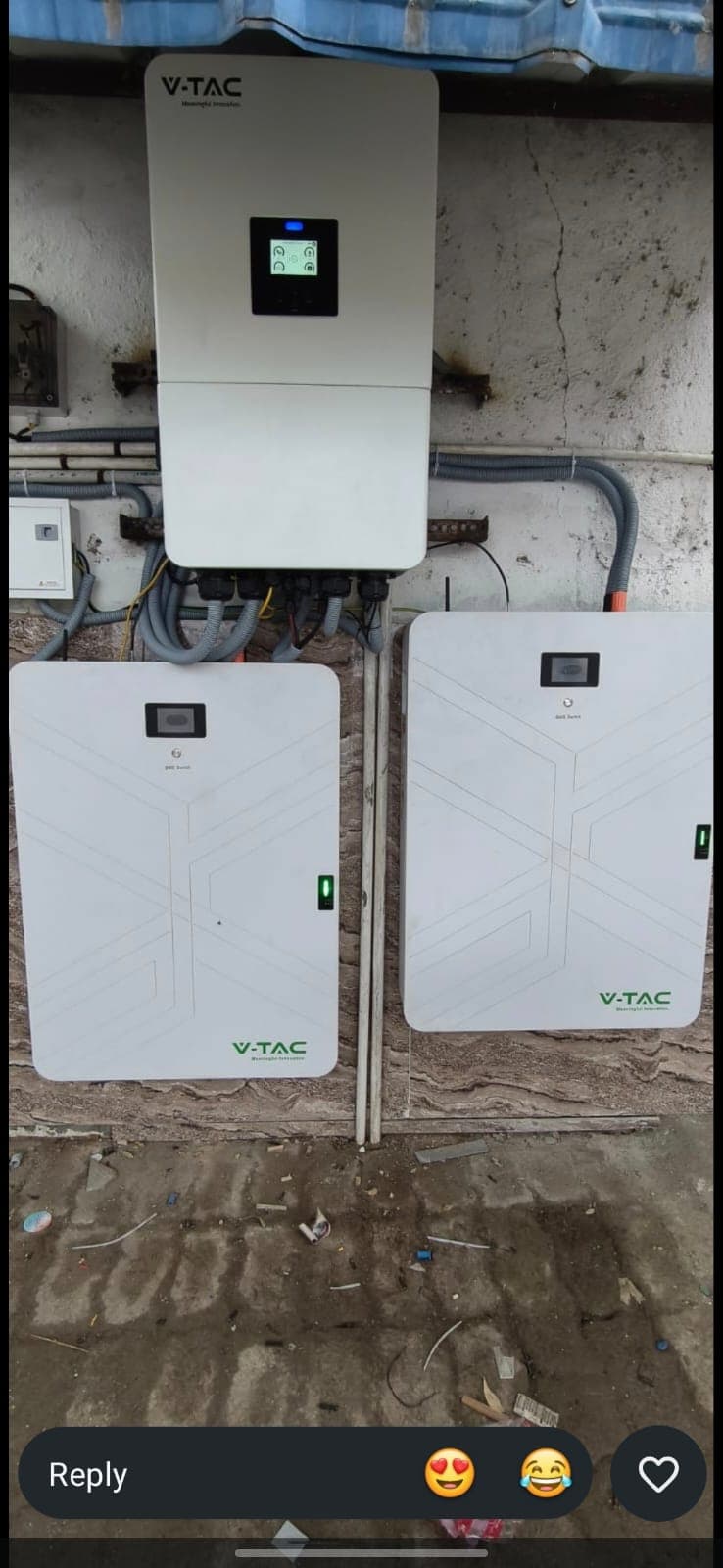
V-TAC
Hybrid inverter and lithium battery options for homes and businesses. Choose a compatible low- or high-voltage architecture and the required battery modules as a complete system.
Hybrid inverter options | Lithium storage formats | Matched system selection
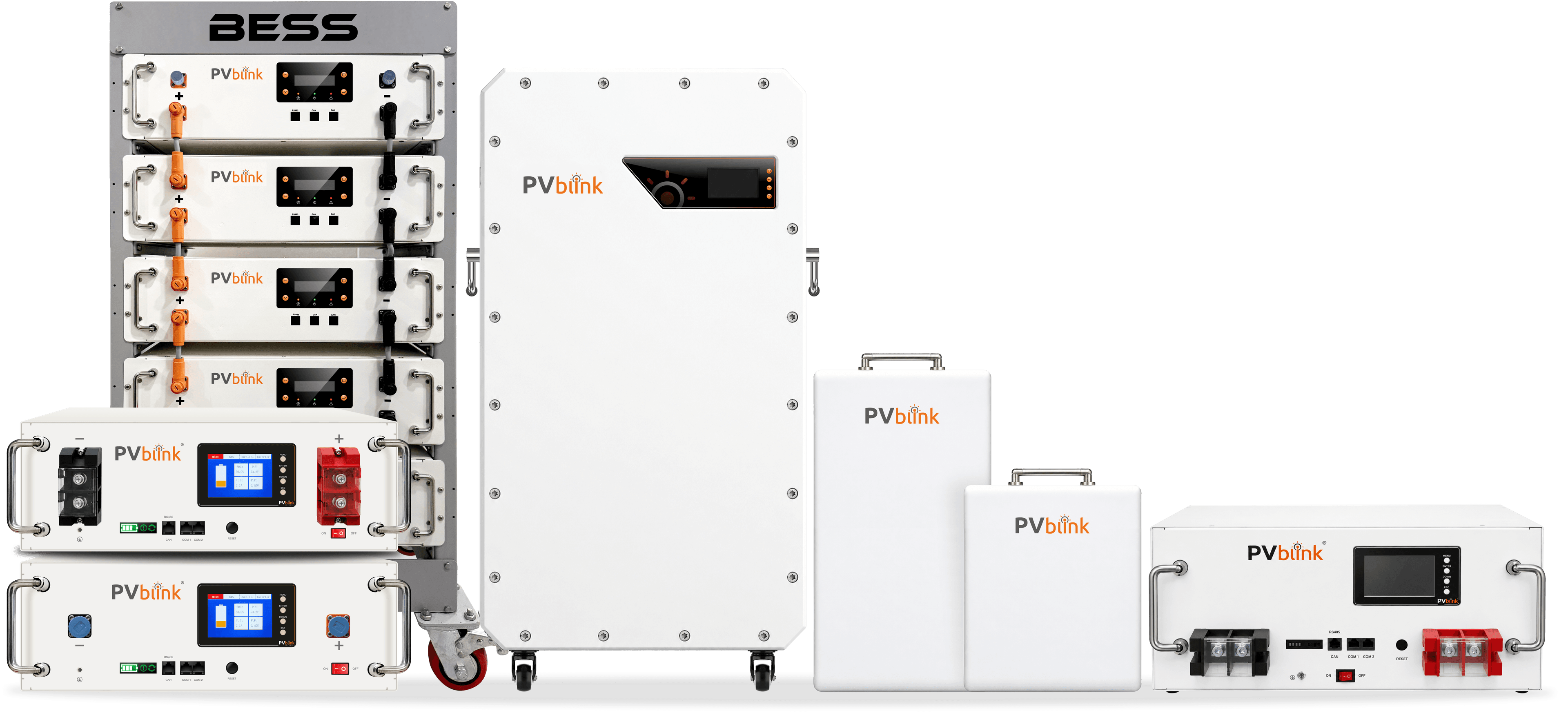
PVblink
Lithium storage with a display and battery management, combined with a compatible hybrid inverter. The manufacturer provides model-specific connection diagrams to help explain the complete installation.
Lithium storage | Battery management | Compatible hybrid connection
Compare verified Deye and V-TAC model examples. PVblink battery storage appears in the next table; its inverter PV limits need the exact inverter model datasheet. These are manufacturer ratings, not complete installation designs.
Swipe horizontally to compare all columns
| Inverter model | Rated AC output | Solar panel / PV capacity | Battery voltage | Max. charge / discharge | How many batteries? |
|---|---|---|---|---|---|
| Deye SUN-5K-SG04LP3-EUView datasheet | 5 kW / three phase | 10 kWp PV access 7.5 kW max. PV input | 40–60 V (48 V class) | 120 A | 1 battery input; pack quantity depends on approved battery/BMS design |
| Deye SUN-6K-SG04LP3-EUView datasheet | 6 kW / three phase | 12 kWp PV access 9 kW max. PV input | 40–60 V (48 V class) | 150 A | 1 battery input; pack quantity depends on approved battery/BMS design |
| Deye SUN-8K-SG04LP3-EUView datasheet | 8 kW / three phase | 16 kWp PV access 12 kW max. PV input | 40–60 V (48 V class) | 190 A | 1 battery input; pack quantity depends on approved battery/BMS design |
| Deye SUN-10K-SG04LP3-EUView datasheet | 10 kW / three phase | 20 kWp PV access 15 kW max. PV input | 40–60 V (48 V class) | 210 A | 1 battery input; pack quantity depends on approved battery/BMS design |
| Deye SUN-12K-SG04LP3-EUView datasheet | 12 kW / three phase | 24 kWp PV access 18 kW max. PV input | 40–60 V (48 V class) | 240 A | 1 battery input; pack quantity depends on approved battery/BMS design |
| V-TAC VT-6607136View datasheet | 3.6 kW / single phase | 5.4 kW max. PV input Separate PV access rating not listed | 40–60 V; 51.2 V nominal | 80 A 3.6 kW max. battery charge/discharge power | Quantity set by approved battery/BMS pairing; see storage examples below |
| V-TAC VT-6607105View datasheet | 5 kW / single phase | 7.5 kW max. PV input Separate PV access rating not listed | 40–60 V; 51.2 V nominal | 80 A 4.8 kW max. battery charge/discharge power | Quantity set by approved battery/BMS pairing; see storage examples below |
| V-TAC VT-AF6K-SLPView datasheet | 6 kW / single phase | 9 kW max. PV input Separate PV access rating not listed | 40–60 V; 51.2 V nominal | 80 A 4.8 kW max. battery charge/discharge power | Quantity set by approved battery/BMS pairing; see storage examples below |
Deye source: SUN-5/6/8/10/12K-SG04LP3-EU datasheet, page 2. V-TAC source: solar catalogue, pages 16, 17 and 19. Deye distinguishes PV access power from PV input power; they are not interchangeable. Array voltage, cold-weather Voc, string current and MPPT limits still apply. A battery input is a connection port, not a limit of one battery. The final number of batteries depends on the approved battery model, BMS, protection and inverter current limits.
1 kWh = 1 electricity unit. The examples below multiply the rated energy of identical battery packs; they do not approve a particular bank size for an inverter. More battery storage increases potential backup duration, not inverter output power.
Swipe horizontally to compare all columns
| Battery model | Nominal voltage | 1 battery: nominal energy | 2 batteries: nominal energy | 4 batteries: nominal energy | 8 batteries: nominal energy | Manufacturer expansion limit / matching |
|---|---|---|---|---|---|---|
| Deye SE-G5.1 Pro-BView datasheet | 51.2 V | 5.12 kWh | 10.24 units | 20.48 units | 40.96 units | Battery-family limit: up to 64 parallel packs; up to 32 without additional external setup. Inverter approval still required. |
| V-TAC VT48100E-P2View datasheet | 51.2 V | 5.12 kWh | 10.24 units | 20.48 units | 40.96 units | Maximum pack count is not stated on catalogue page 62. Confirm the approved inverter/BMS and battery manual. |
| PVblink PVBBS5.12K-LV-M1View datasheet | 51.2 V | 5.12 kWh | 10.24 units | 20.48 units | 40.96 units | The battery PDF does not specify a model-specific maximum pack count. Confirm approved parallel configuration. |
| PVblink PVBBS16.07K-LV-M1 / LV-W-M1View datasheet | 51.2 V | 16.0768 kWh | 32.15 units | 64.31 units | 128.61 units | The battery PDF does not specify a model-specific maximum pack count. Confirm approved parallel configuration. |
Nominal energy is not the electricity guaranteed at your AC loads. Usable energy is lower after SOC reserve, discharge settings and inverter losses. Do not mix battery models or connect low-voltage packs in series without manufacturer approval. The 2-, 4- and 8-battery columns are energy calculations only; exact supported counts require model-specific approval. PVblink 16.07 models are rated 51.2 V × 314 Ah = 16.0768 kWh per pack; totals are rounded.
Solar panels feed the hybrid inverter. The inverter powers your loads, manages the lithium battery and connects to the grid. A separate backup output supplies selected circuits when the grid fails.
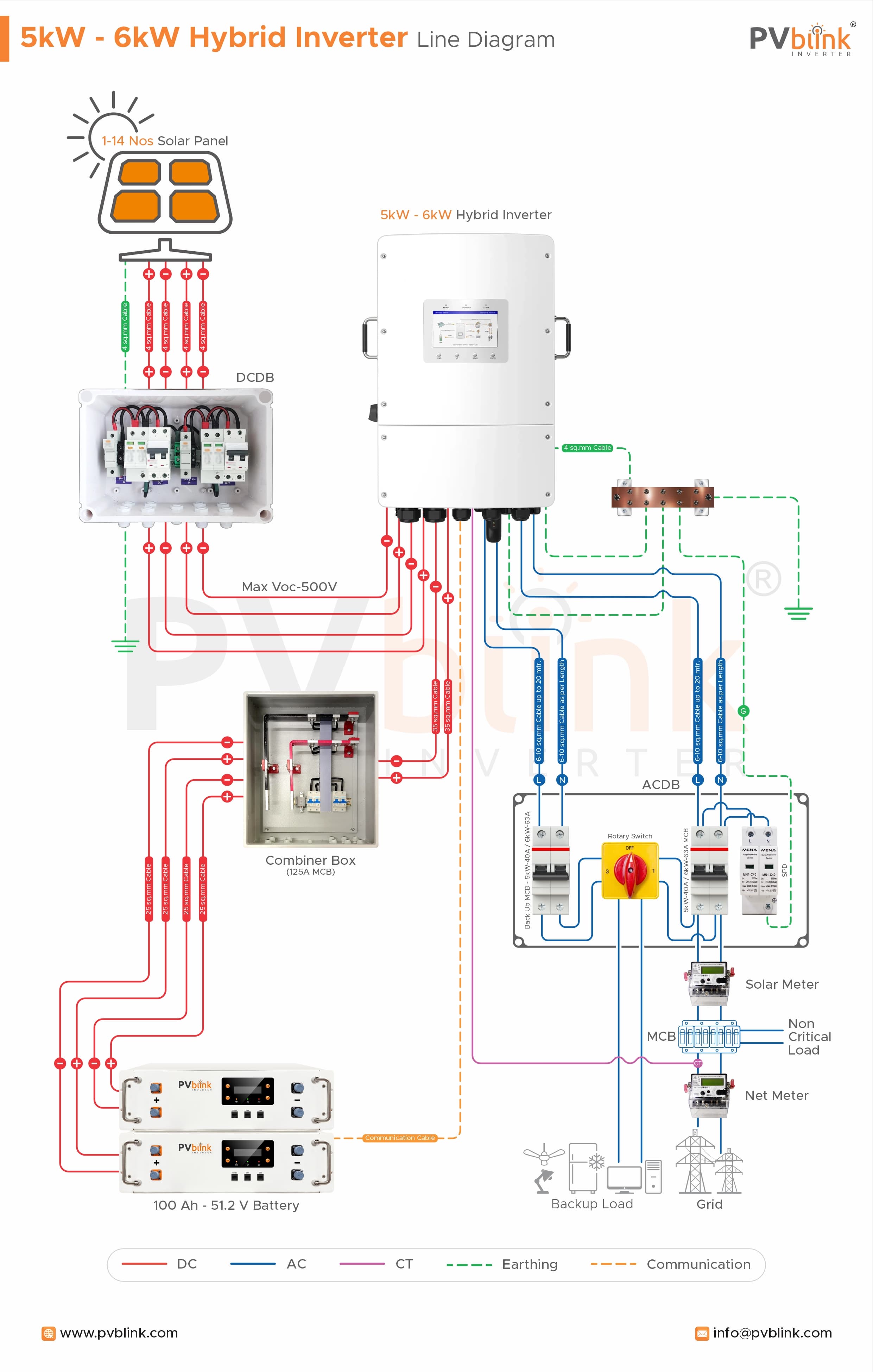
PVblink manufacturer connection example for a 5–6 kW system. For understanding only; installation must follow the selected model manual and engineered design. Image source
We select inverter power in kW for the loads you want to run, and battery energy in kWh for the hours you need. A larger battery does not increase the inverter output limit. Voltage range, BMS communication, firmware, battery current and expansion rules must all match.
A rooftop layout, mounting structure and solar array sized for your energy use and available space.
MPPT solar charging, AC power conversion and coordinated solar, battery and grid operation in one compatible system.
Modular lithium storage with a battery management system that monitors cells, temperature, charging and discharging.
An essential-load distribution board, suitable isolation, protection, cabling, earthing and changeover arrangements.
Supported app or local monitoring, operating settings, battery communication checks and an outage demonstration at handover.
Site assessment, installation, user guidance and maintenance support. Final equipment and scope are confirmed in your proposal.
We assess the actual equipment and its power requirements before selecting a system.
Lights, fans, internet, security and selected appliances through evening use and outages.
Billing counters, computers, networking and essential lighting to keep everyday work moving.
Solar and battery support where grid supply is unreliable. Pump and motor loads need a separate starting-current assessment.
Illustration: a 10 kWh battery with 90% usable energy and 90% conversion efficiency could supply a steady 1 kW load for about 8.1 hours. At 2 kW, that becomes about 4 hours. This is a sizing example, not a promised runtime; reserve settings, battery age, temperature and appliance use change the result.
A clear scope, compatible equipment and practical support at every stage.
Review loads, grid outages, backup hours, installation space and existing electrical equipment.
Define inverter power, battery energy, compatible components, protection and installation scope.
Install the agreed system, set operating priorities and verify battery communication.
Demonstrate outage and recovery operation, explain monitoring and agree the service plan.
Yes, when the selected inverter supports backup or off-grid operation and the system has the correct isolation, battery and backup wiring. Only the designed backup loads can run, within inverter and battery limits.
Yes. A hybrid system can prioritise solar for daytime consumption, charge the battery with surplus solar and discharge it at night. Charging priorities and backup reserve are set during commissioning.
That depends on continuous power, motor starting current, phase configuration and battery discharge limits. We assess these loads before recommending whole-property or essential-load backup.
Often, but an ordinary on-grid inverter cannot simply accept a battery. We review your existing inverter, wiring and approvals to determine whether inverter replacement or an AC-coupled solution is suitable.
Transfer time is specific to the inverter and operating mode. For equipment that cannot tolerate a brief break, we assess a dedicated online UPS or a validated UPS-plus-storage design.
Contact CM Solar for hybrid solar assessment and installation in Bharuch, Ankleshwar, Dahej and nearby areas of Gujarat. Share your location, electricity bill, essential loads and required backup hours.
CM Solar installation photographs supplied by our team.
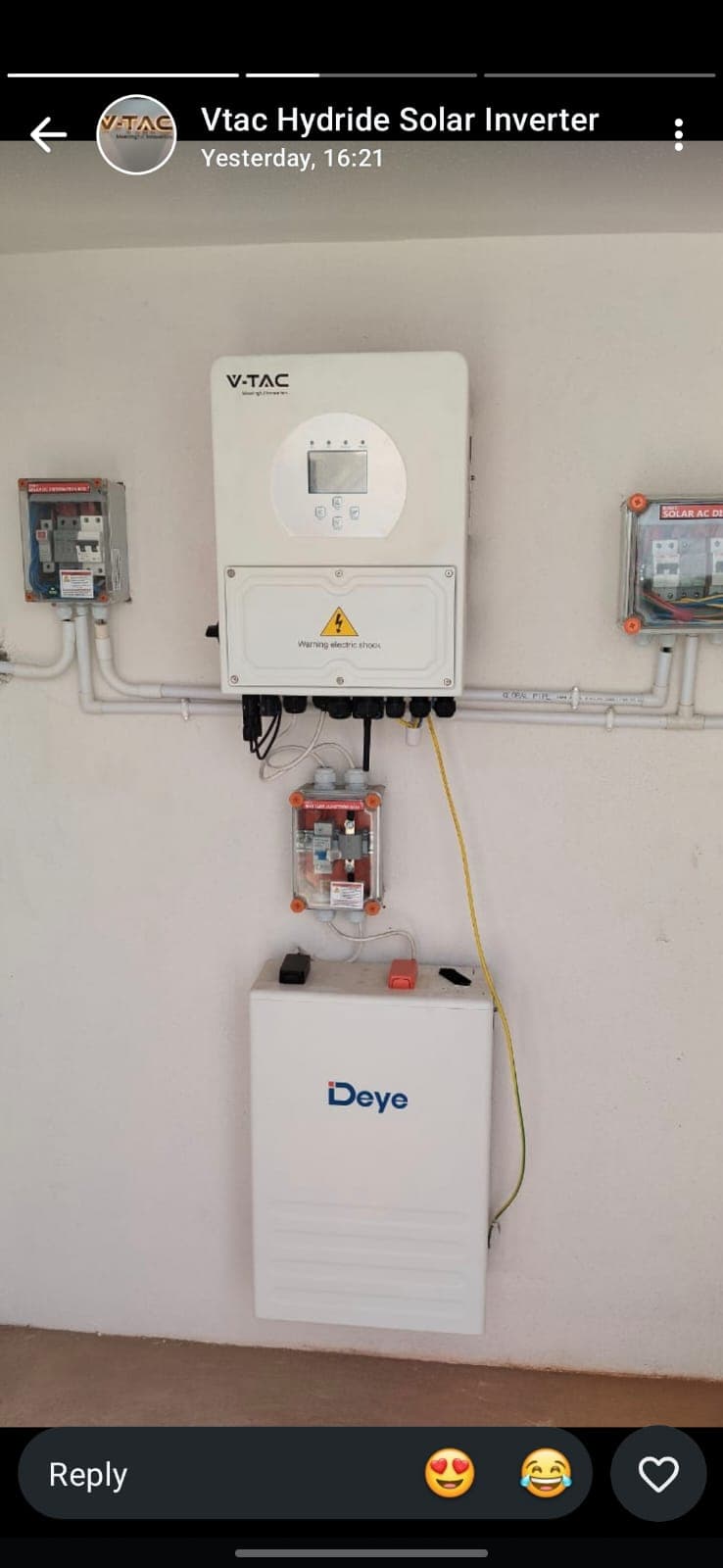
V-TAC inverter with Deye lithium battery. Owner-supplied installation photograph.
V-TAC inverter with two lithium battery units. Owner-supplied installation photograph.
Tell us your location, essential appliances, electricity use and required backup hours. We will help define the inverter, battery capacity and installation scope.
Need backup for industrial critical loads? Explore industrial BBS